
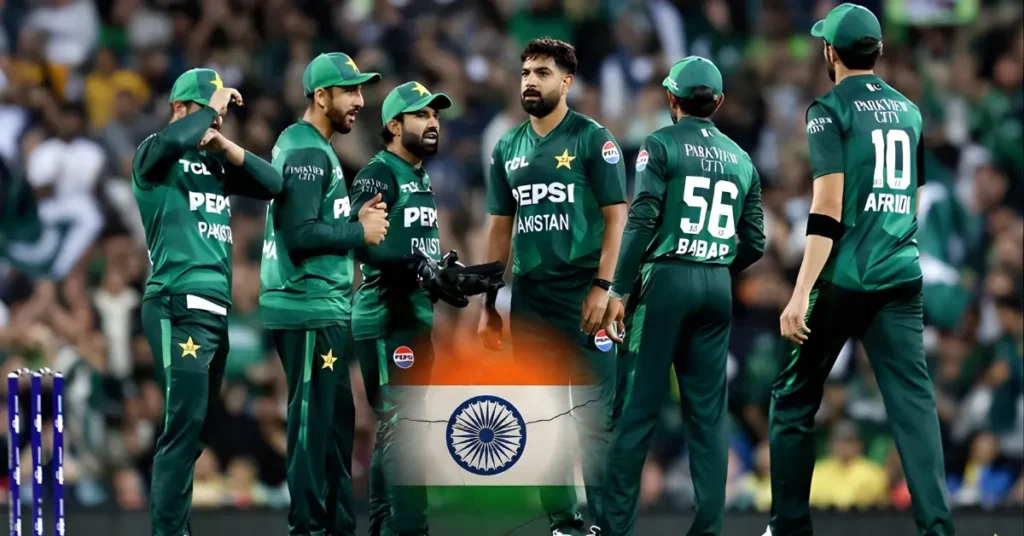
Tensions surrounding the ICC Men’s T20 World Cup 2026 have intensified after Pakistan announced it will not play its high-profile group match against India on February 15 in Colombo, Sri Lanka. The decision has sparked controversy across the cricketing world, drawn a strong response from the ICC, and raised fresh questions about the relationship between politics and sport.
With the tournament set to begin on February 7 in India and Sri Lanka, Pakistan’s selective boycott has created uncertainty over Group A standings, commercial revenue, and the broader spirit of international cricket.
How the Dispute Began
The issue traces back to January 24, 2026, when the Bangladesh Cricket Board refused to send its team to India for World Cup matches, citing safety concerns. Bangladesh requested that its games be moved to Sri Lanka, but the ICC rejected the proposal, saying there were no credible security threats.
After discussions, the ICC removed Bangladesh from the tournament and replaced it with Scotland. This marked an unprecedented moment, the first time a full ICC member nation was excluded from a major event over logistical disagreements.
The decision angered officials and fans in several countries, particularly in Pakistan and Bangladesh.
Pakistan’s Position and U-Turn
Between January 24 and January 31, the Pakistan Cricket Board publicly supported Bangladesh and criticized the ICC for what it called “double standards.” PCB chief Mohsin Naqvi met with Prime Minister Shehbaz Sharif before making a final call.
Although Pakistan announced its squad on January 25, signaling participation, the government later took a different stance.
On February 1, Pakistan officially confirmed it would play in the tournament — except against India. The government statement said the team would not take the field on February 15, but did not give a detailed explanation.
Naqvi later linked the decision to Bangladesh’s expulsion, saying the ICC had treated teams unfairly.
What Happens to the Match?
The India–Pakistan game is scheduled in Colombo, a neutral venue agreed upon in 2025 because the two countries do not play bilateral cricket.
If Pakistan maintains its boycott, India would be awarded two points by default. This could seriously affect Pakistan’s chances of reaching the Super 8 stage from Group A, which also includes Namibia, the Netherlands, and the USA.
Pakistan’s first match remains against the Netherlands on February 7 in Colombo.
ICC’s Reaction
The ICC issued a strong statement, calling Pakistan’s “selective participation” damaging to the integrity of the tournament. The governing body warned that such actions could have long-term consequences for Pakistan cricket.
Although no immediate sanctions were announced, reports suggest potential risks such as financial penalties, reduced ICC funding, or future restrictions on Pakistan’s participation in global events.
The ICC stressed that while it respects national policies, the credibility of world cricket must be protected for fans and stakeholders worldwide.
Reactions from Players and Officials
Within Pakistan, several former cricketers backed the government’s decision, calling it a stand against unfair treatment. Captain Salman Agha said players were simply following orders beyond their control.
In India, political figures and cricket legends criticized the move, arguing that sports should remain separate from politics. Some BCCI sources indicated India would proceed normally and accept the points if Pakistan forfeits.
International voices were also divided, with some players questioning the security claims while others called for stricter ICC action.
What This Means for the Tournament
The India–Pakistan clash is one of the most-watched matches in world cricket. Losing it would hurt broadcasters, sponsors, and millions of fans.
Experts say the situation could set a risky precedent for future ICC events, especially in politically sensitive regions. It also highlights the growing tension between cricket administration and national governments.
For Nepali cricket fans, the controversy adds drama to a tournament in which Nepal is also competing, increasing global attention on South Asian cricket.
Situation Still Developing
The ICC is awaiting a formal response from the PCB, and further updates are expected in the coming days. Whether Pakistan changes its stance or faces consequences remains unclear.
For now, the world waits to see if the biggest rivalry in cricket will actually take place in the T20 World Cup 2026.