
A new BBC documentary has laid bare the moment Nepal’s security forces turned lethal against its own young people, revealing a police order that set off one of South Asia’s most dramatic youth uprisings in recent memory.
“Shot Like Enemies: Inside Nepal’s Gen Z Uprising,” released February 26, 2026, by BBC World Service Documentaries, has already crossed 1.3 million views on YouTube. Running approximately 40 minutes, the film reconstructs through leaked police radio logs, exclusive insider testimony, and more than 4,000 videos and photographs how a student-led protest movement escalated into a constitutional crisis that toppled a prime minister and reshaped Nepali politics.
The Order That Changed Everything
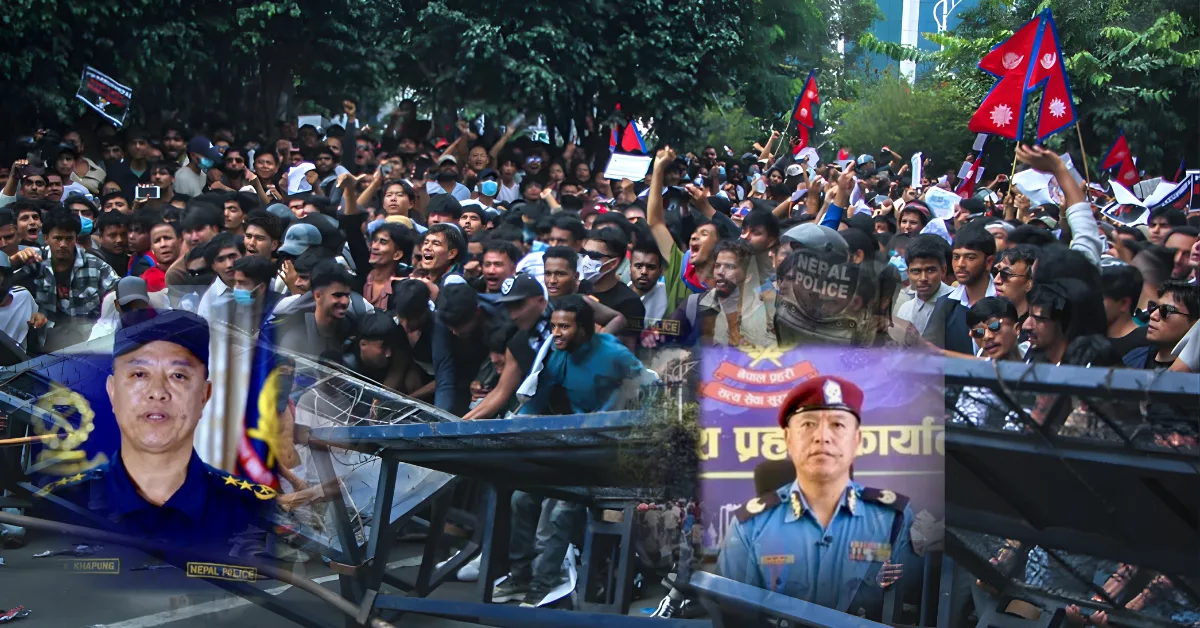
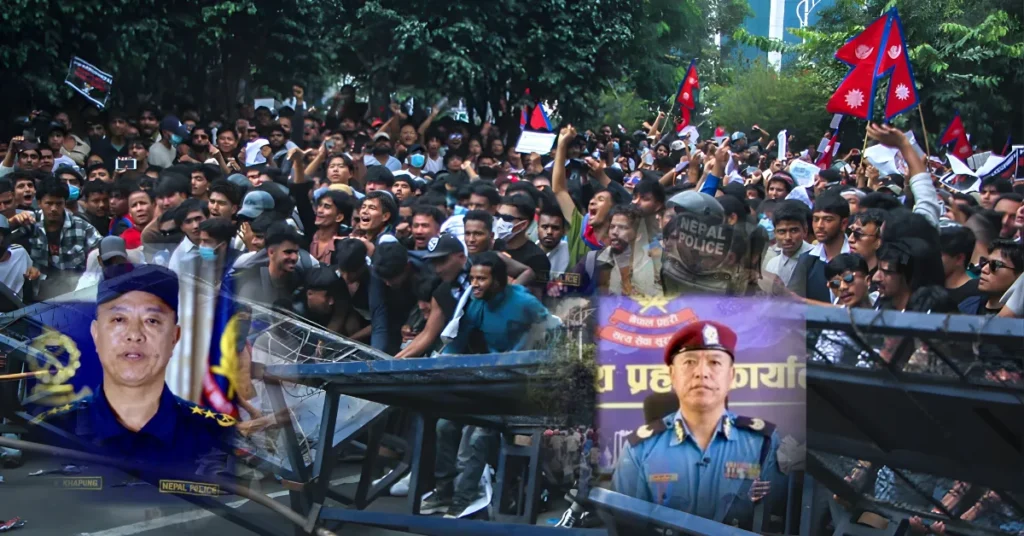
At the heart of the documentary is a single, damning revelation: at 12:40 PM on September 8, 2025, just ten minutes after a curfew was declared, former Inspector General Chandra Kuber Khapung, identified in communications as “Peter 1,” issued an order to “deploy necessary force” against protesters near parliament in Kathmandu.
Within hours, 19 young Nepalis lay dead. The youngest was Shreeyam Chaulagain, 17 years old, shot in the head at 2:09 PM while reportedly unarmed and walking away in his school uniform. Two others confirmed in the documentary, Yogendra Nyaupane, 24, and Binod Maharjan, 34, were also fatally wounded that day. Over 347 people were injured in the September 8 violence alone.
Khapung and other senior officials have denied direct personal responsibility, stating the force deployment was authorized by a broader security committee. The BBC investigation, however, found no evidence of organized outside infiltrators, directly contradicting government claims used to justify the crackdown.
How a Social Media Ban Lit the Fuse
The protests did not emerge from nowhere. For years, Nepal’s Generation Z young people aged roughly 14 to 29 in a country with a median age of just 25 — had been seething over political corruption, sky-high youth unemployment hovering near 20%, and the brazen nepotism of the ruling class.
The tipping point came on September 4, 2025, when the government blocked 26 social media platforms, including Facebook, Instagram, YouTube, WhatsApp, and X — citing non-compliance with digital services tax and VAT regulations. The ban hit hard in a country where social media supports nearly half the population’s daily connectivity and livelihoods.
Rather than silencing the youth, the ban backfired spectacularly. Protesters migrated to Discord, with the “Hami Nepal” server swelling to between 100,000 and 145,000 members almost overnight. From there, they organized via QR codes, VPNs, and flyers. AI tools, including ChatGPT, Grok, DeepSeek, and Veed, churned out viral content mocking corrupt officials. One widely shared clip, set to ABBA’s “The Winner Takes It All,” ridiculed a senior politician’s lavish wedding, symbolizing the “Nepo Kids” phenomenon, a growing online culture of exposing the extravagant lives of politicians’ children while ordinary Nepali youth struggled to find work.
Nine Days That Shook Nepal
What unfolded over nine September days was nothing short of a revolution.
On September 8 (Bhadra 23 in the Nepali calendar), an estimated 30,000 demonstrators gathered peacefully at Maitighar Mandala, Kathmandu’s central protest ground. As crowds advanced toward parliament, police deployed batons, water cannons, tear gas, and rubber bullets. When protesters breached the parliament gates and fires broke out, live ammunition followed. Tear gas was fired even into the Civil Service Hospital compound. By evening, the home minister had resigned, and the social media ban was quietly lifted.
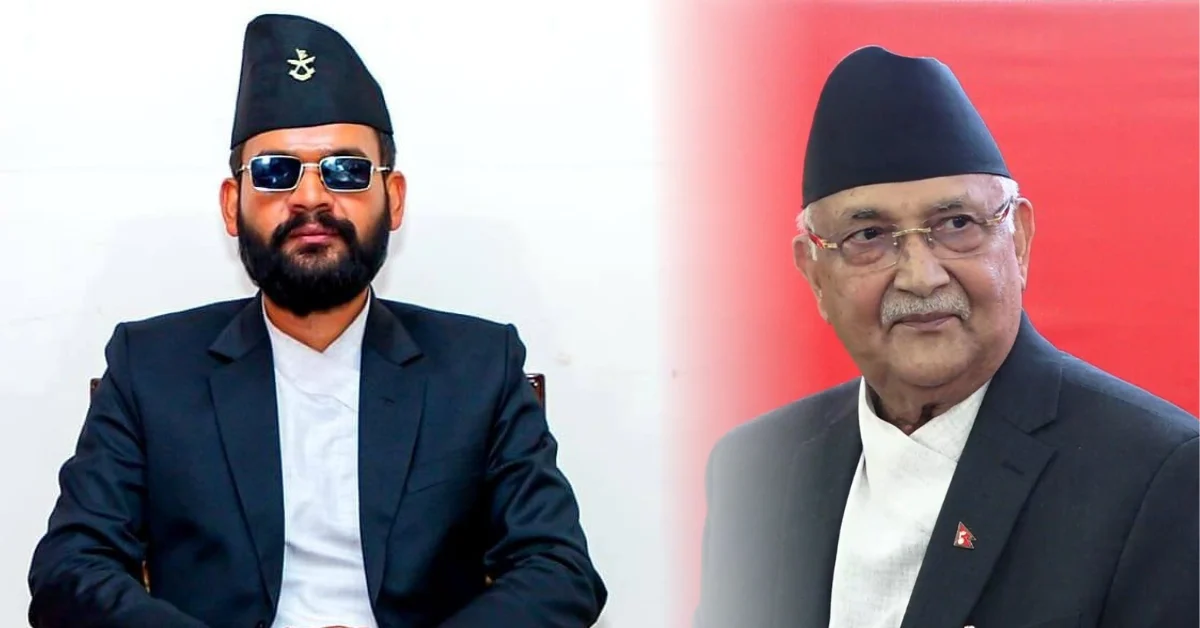
The following day, September 9, was more chaotic. Crowds stormed and set fire to government buildings parliament, the Supreme Court, and the prime minister’s residence, among others. At 2:30 PM, Prime Minister KP Sharma Oli announced his resignation. By 9:00 PM, the Nepali Army had assumed control of the capital and closed Tribhuvan International Airport. Prison breaks were reported across the country; in Kaski district alone, 773 inmates escaped.
By September 12, Nepal had its first female prime minister. Former Supreme Court Chief Justice Sushila Karki was selected, in part, through informal Discord “mini-elections” in which tens of thousands of young Nepalis cast digital votes and was sworn into office. Parliament was dissolved, and elections were set for March 5, 2026.
The final toll when the dust settled: 76 dead, 22 protesters, 3 police officers, 10 prisoners shot during escape attempts, and 41 others, with more than 2,113 people injured. The government announced compensation of 1 million Nepali rupees (approximately $7,000 USD) to each victim’s family. A national day of mourning was observed on September 17.
A Generation Demanding Accountability
The BBC documentary features Rakshya Bam, one of the movement’s prominent organizers, alongside family members of victims like Shreeyam Chaulagain, who describe their grief and their unfinished fight for justice.
As of the documentary’s release, no senior official has been held criminally accountable for the killings. A public inquiry has been launched, but families and activists say the process is moving too slowly ahead of the March 2026 elections.
Viewer response to the film has been intense. Comments calling on audiences to preserve and share the documentary before election season, “BBC don’t delete this… Hope it goes viral in Nepal” (6,400 likes) sit alongside expressions of raw grief: “Can’t hold my tears looking at those young martyrs” (2,900 likes). A Nepali-language version is available on BBC Nepali’s YouTube channel.
Nepal’s Uprising in a Global Context
Nepal’s Gen Z movement did not occur in isolation. It is part of a broader wave of youth-driven political upheaval that swept several developing nations through 2024 and 2025. Bangladesh’s Gen Z protesters helped force Prime Minister Sheikh Hasina from office in 2024. Kenyan youth took to the streets against a finance bill, with more than eight killed. Similar movements surfaced in Madagascar, Morocco, and the Maldives, all driven by overlapping demands: jobs, accountability, and an end to entrenched political dynasties.
The United Nations reacted swiftly to Nepal’s crisis. Secretary-General António Guterres and High Commissioner for Human Rights Volker Türk expressed alarm and called for independent investigations. Amnesty International and Human Rights Watch condemned the crackdown and demanded accountability. Nepal’s neighbors, India and Bangladesh, monitored the situation closely, while Myanmar reportedly cited the uprising as a cautionary example.
What Comes Next
Interim Prime Minister Karki has pledged to hand over power within six months and to pursue accountability for the September violence. Elections scheduled for March 5, 2026, will be the first test of whether Nepal’s political system can absorb the shockwave delivered by its youngest citizens.
For the Gen Z protesters who organized through Discord servers and AI-generated memes, the work is far from finished. Many are watching the elections — and the inquiry with the same vigilant, camera-ready skepticism that launched the uprising in the first place.
The BBC documentary “Shot Like Enemies: Inside Nepal’s Gen Z Uprising” is available on BBC World Service’s YouTube channel, with a Nepali version on BBC Nepali.
Related: BBC World Service Documentary | Nepal 2025 protests | Sushila Karki | KP Sharma Oli resignation | Gen Z protest wave 2025