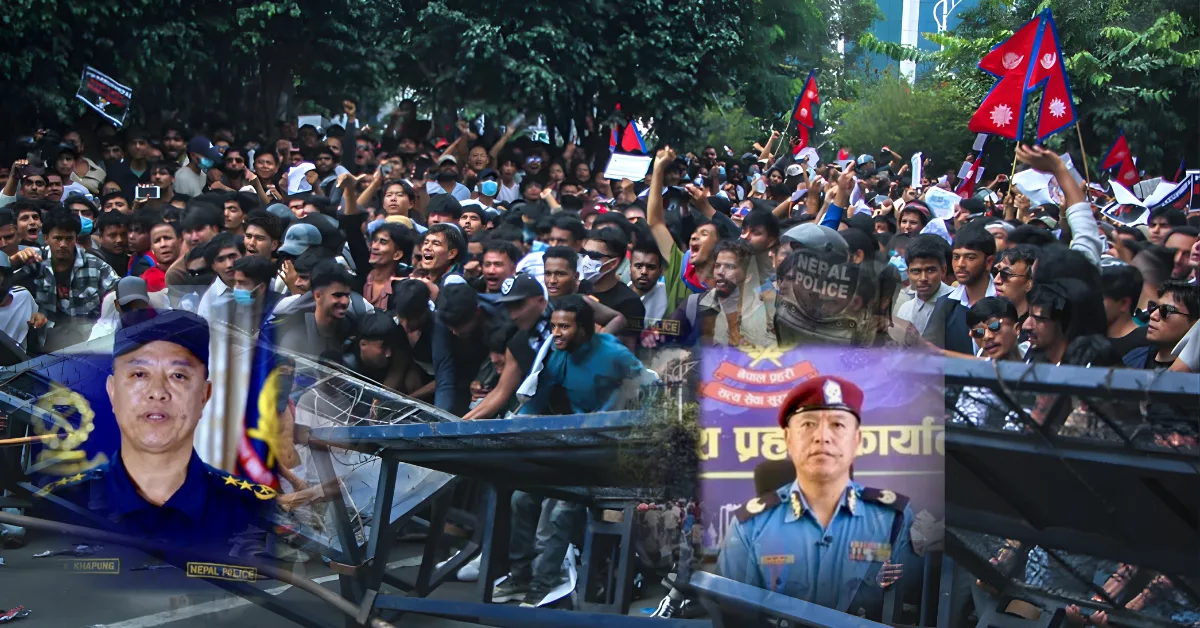

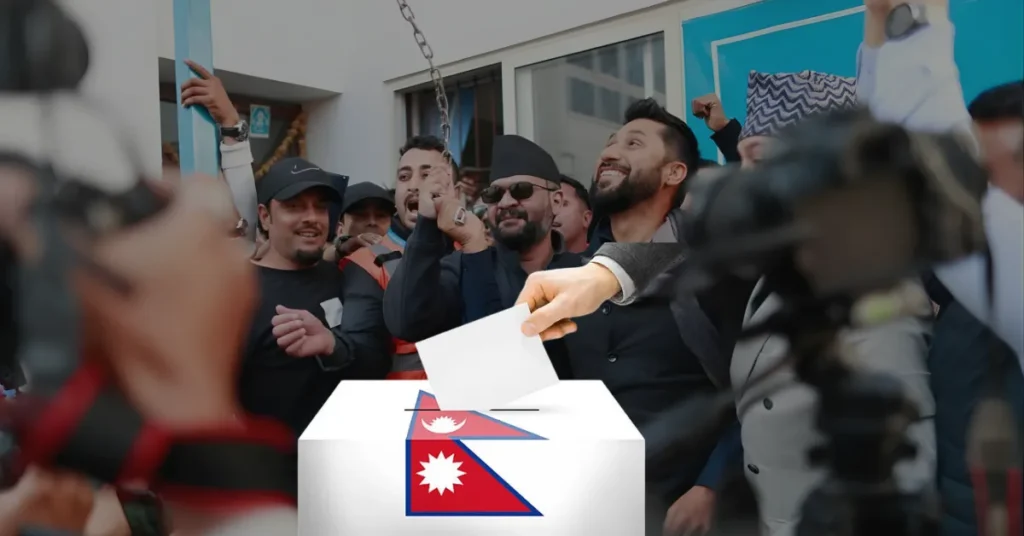
Nepal’s political arena is buzzing with high-stakes energy as the Election Code of Conduct 2082 officially came into effect from midnight on January 18-19. This marks the intense sprint toward twin elections: the National Assembly polls on January 24 and the crucial House of Representatives (HoR) general election on March 5.
This snap election, triggered by the dramatic Gen Z uprising in September 2025 that toppled the previous government and led to interim Prime Minister Sushila Karki’s appointment, is supercharged by a fierce generational battle. Young, anti-corruption crusaders inspired by last year’s youth protests are taking on entrenched veterans.
Election Code of Conduct Enforced: The Countdown Begins
The Election Commission (EC) has enforced stringent rules banning misuse of government resources, restricting campaign spending, prohibiting child involvement in rallies, and curbing social media manipulation, all to ensure a “free, fair, impartial, transparent, and fear-free” environment. EC Spokesperson Narayan Prasad Bhattarai confirmed that violations could result in fines up to NPR 100,000 or even revocation of candidacy. The code applies to ministers, government officials, political parties, candidates, and media alike.
Nomination filings for the HoR’s 165 first-past-the-post (FPTP) seats begin tomorrow, January 20, with returning officers’ offices already operational across constituencies. A total of 108 parties have registered for the race.
Gen Z Wave vs Veterans: A Generational Clash Heats Up
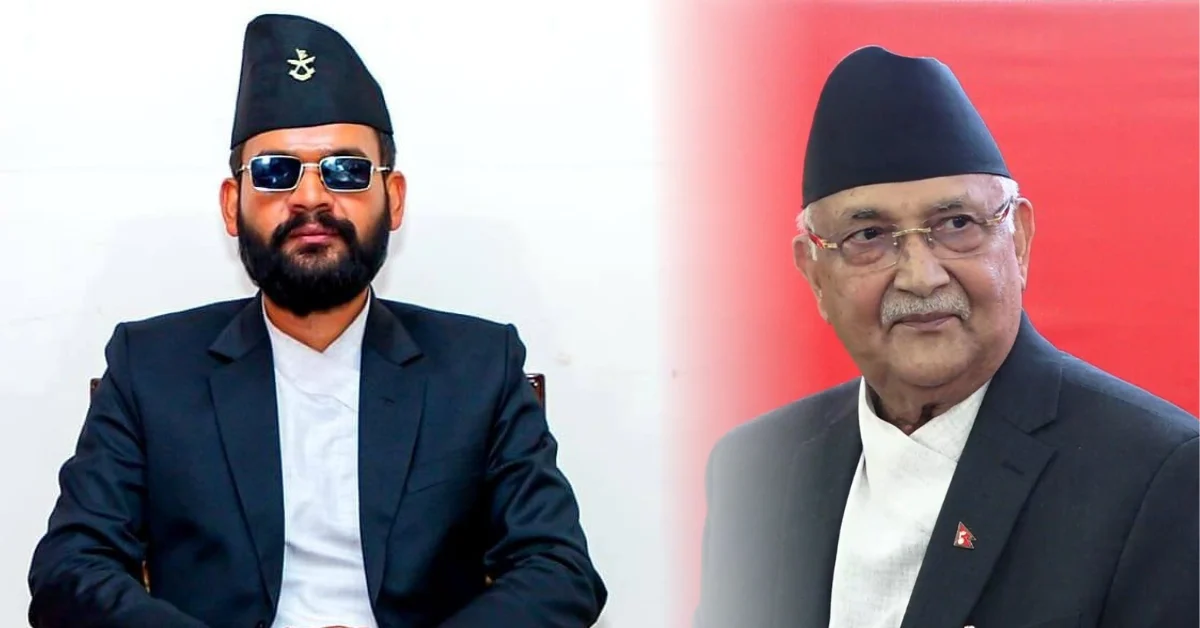
High-profile independent challengers, including popular Kathmandu Mayor Balendra Shah (Balen), who resigned yesterday to contest from Jhapa-5 against UML heavyweight KP Sharma Oli, are shaking up traditional power structures.
Major parties are scrambling amid internal turmoil:
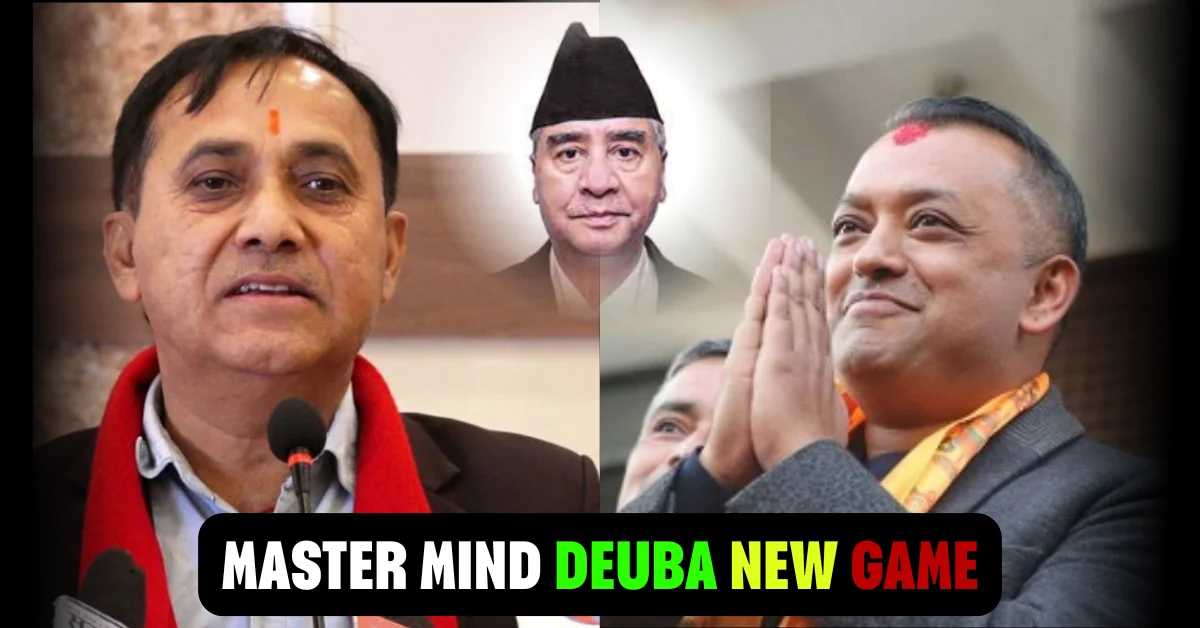
- Nepali Congress (NC): Deeply fractured, with the EC recently recognizing Gagan Thapa’s faction as official. The rival Sher Bahadur Deuba camp has challenged this in the Supreme Court, adding uncertainty to ticket distributions.
- CPN-UML: Veteran KP Oli (74), declared as PM face, faces criticism for favoring loyalists.
- Rastriya Swotantra Party (RSP) and others: Positioning themselves as champions of youth discontent with fresh, younger leadership.
Analysts predict this election could redefine Nepal’s politics, with high youth turnout and independent candidates potentially upsetting established parties.
What’s Next: Nominations and the Road to March 5
As winter chills grip the nation, political temperatures are soaring. Tomorrow’s nomination filings will provide the first major clues about alliances, rivalries, and surprise matchups.
With just 45 days until the HoR polls, Nepal is hurtling toward a potentially transformative moment. Will veterans hold their ground, or will the Gen Z forces script a bold new chapter? Stay tuned, the real action starts now.
Also Read: Harka Sampang Resigns as Dharan Mayor, Plans to Run from Sunsari-1